Catalytic Activated Carbon
Surface-modified coconut shell carbon for chloramine, hydrogen sulfide, and difficult water-treatment contaminants.
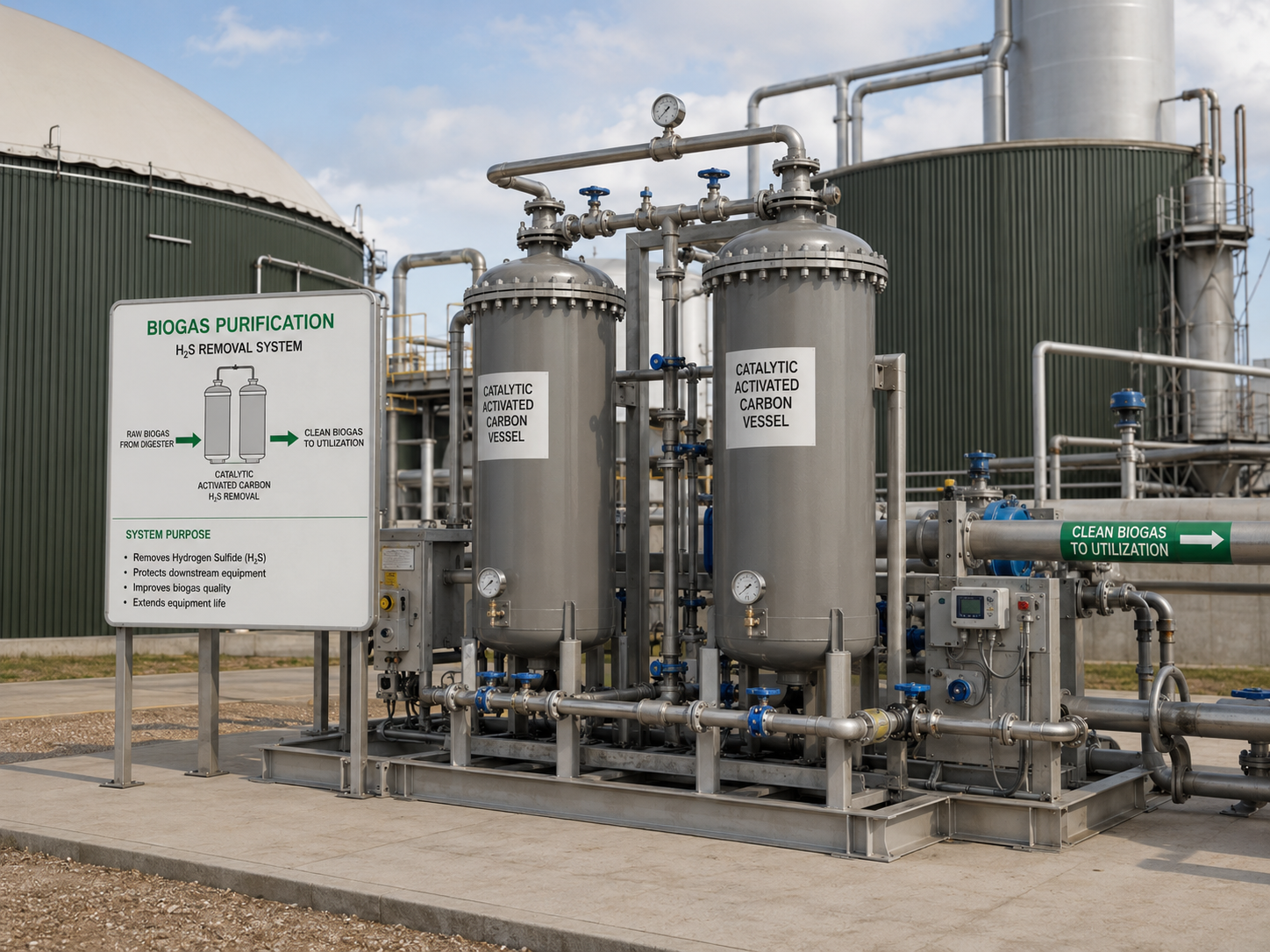
Catalytic carbon supports chloramine reduction in regional drinking-water systems moving away from free chlorine.
Why utilities use it
Many regional water utilities have transitioned to chloramine as a more stable disinfectant in response to regulatory pressure around disinfection by-products.
Why standard carbon is not enough
Standard activated carbon filters sized for chlorine removal have limited capacity for chloramine reduction at normal flow rates, which is where catalytic grades become important.
How CATCARB works
CATCARB is surface modified, with particle size and pore structure tuned for adsorption while maintaining the hardness, surface area, and attrition resistance associated with high-quality coconut shell carbon.
Recommendations shaped by process conditions
Application, volume, and performance targets shape the grade match and technical recommendation.